Long-Lasting & Attractive Fencing Options: Strengthen Security and Seclusion for Your Residence
Sturdy and attractive fencing solutions are fundamentally important in enhancing both security and privacy for homes. By selecting the right materials and designs, homeowners can set distinct perimeters while enhancing the visual appeal of their property. However, the decision-making process involves several important aspects that reach further than visual appeal. Being aware of these considerations can profoundly affect the effectiveness and longevity of a fencing project. Where should homeowners begin when embarking on this endeavor?
Why Fencing Is Essential for Home Security and Privacy
Fencing acts as a critical barrier in creating home security and privacy. By creating a defined boundary, it deters unwanted intrusions and strengthens the sense of safety for residents. A expertly installed fence not only limits access to the property but also serves as a visual deterrent, communicating to potential intruders that the area is protected.
Moreover, fencing enhances privacy by blocking the view from outside, permitting homeowners to appreciate their outdoor spaces without feeling observed. This feature is particularly valuable in densely populated neighborhoods where houses are in tight proximity.
Moreover, premium fencing solutions can elevate property value, as prospective buyers often prioritize security and privacy features. Homeowners also benefit from the peace of mind that comes with knowing their personal space is adequately shielded. In summary, fencing serves as an essential element of residential security and privacy, delivering both practical and visual advantages.
What Fencing Material Is Ideal for My Home?
When selecting the optimal fencing option for home protection and privacy, several options offer unique benefits. Wood fencing offers a classic aesthetic and natural appeal, while vinyl fencing provides low maintenance and resilience. Metal fencing, in contrast, offers exceptional durability and robustness, positioning it as an excellent option for extended protection.
Benefits of Wood Fences
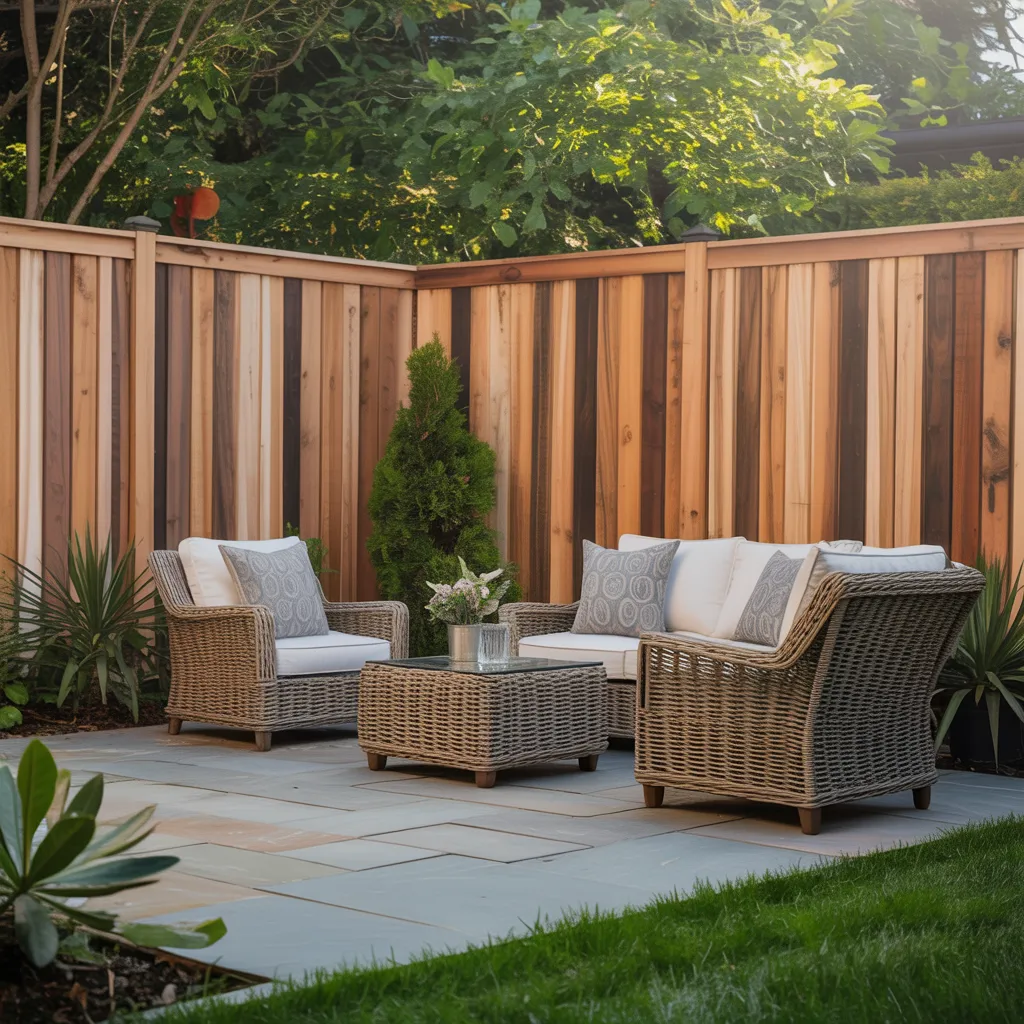
Of the many fencing options on the market, wood stands out for its remarkable balance of aesthetic appeal and practical benefits. It delivers a classic elegance that can enhance numerous architectural designs, enhancing the overall curb appeal of a property. Wood fencing is also remarkably versatile, giving homeowners the freedom to select from various heights, designs, and finishes to match their personal tastes. Additionally, wood is a sustainable material, making it a green alternative for homeowners. Its inherent insulating qualities offer a degree of sound dampening and climate regulation, promoting a calm and comfortable atmosphere. With routine upkeep, wood fencing can resist the elements and stand the test of time, providing lasting protection and seclusion for residents. As a result, wood fencing stands as a compelling and practical option for strengthening and beautifying property perimeters.
Vinyl Fence Benefits
Vinyl fencing presents several key advantages that make it a popular selection for homeowners who want both security and visual appeal. This material is extremely resilient, capable of withstanding harsh weather conditions, and will not warp, rot, or lose its color with age, ensuring a long-lasting solution. Its easy maintenance demands are another notable perk, as it generally requires nothing more than periodic washing with soap and water. Vinyl fencing can be found in numerous styles and color options, giving homeowners the freedom to tailor their outdoor environment while enhancing curb appeal. Additionally, it provides excellent privacy, as solid panels can effectively block views from neighbors. With its blend of durability, aesthetics, and low maintenance, vinyl fencing stands out as a practical option for modern residences.
Metal Fence Durability
Metal fencing is celebrated for its remarkable durability, making it a preferred option for homeowners focused on long-term security and low maintenance. Resistant to rot, pests, and extreme weather conditions, metal fences often outlast other materials, such as wood or vinyl. Steel and aluminum, the most common types of metal fencing, provide robustness and stability, guaranteeing they stay in excellent condition over time. Furthermore, many metal fences are equipped with protective coatings that guard against rust and corrosion, thereby increasing their overall longevity. Although the upfront cost may exceed that of other materials, the longevity and low maintenance requirements make metal fencing a cost-effective solution in the long run. Ultimately, metal fencing emerges as a dependable solution for individuals looking for both protection and long-term durability.
Picking a Fencing Style That Matches Your Home's Design
Selecting a fencing style that matches a home's architecture is critical for preserving architectural harmony. Homeowners must think about how a range of materials can complement or undermine their home's appearance. Deliberate selection of materials not only contributes to curb appeal but also impacts strength and usability.
Architectural Balance Aspects
Architectural harmony enhances the general appearance of a home, making it important to choose a fencing option that matches the home's design. A carefully chosen fence can enhance architectural features, hues, and outdoor aesthetics, reinforcing the residence's unique appeal. For instance, a sleek home may be well-served by sleek, minimalist fencing, while a classic residence might be best served by timeless picket or ornamental iron designs. Additionally, considering the size and dimensions of both the house and the fence ensures visual balance. This deliberate decision not only elevates the property's appeal but also enhances its market value. Ultimately, a harmonious fence fits effortlessly with the overall design, forming a cohesive and inviting environment for both occupants and visitors.
Why Material Selection Matters
Choosing the right materials for fencing significantly impacts both practicality and visual appeal. Homeowners should consider several material choices, such as vinyl, wood, wrought iron, and aluminum, with each presenting its own set of benefits. Wood offers a traditional aesthetic that can be tailored to suit any style, while vinyl requires check article minimal upkeep and stands up well against the elements. Aluminum offers durability and security without the weight of wrought iron, which combines sophistication with exceptional strength. The chosen material ought to complement the property's design while fulfilling essential requirements such as privacy and security. Additionally, local climate conditions can affect material longevity, underscoring the importance of a well-informed decision. At the end of the day, choosing wisely improves both the aesthetic cohesion and functional value of the property.
The Benefits of Privacy Fencing
Although many homeowners prioritize aesthetic appeal in their outdoor areas, the advantages of privacy fencing go well beyond simple appearance. Privacy fencing acts as an essential shield against unwanted observation, creating a secluded environment that enhances comfort and security. It effectively reduces noise from surrounding areas, rendering outdoor areas more peaceful and pleasant. Additionally, privacy fencing can serve as a protective shield for gardens and landscaping, discouraging animals and undesired intruders.
Furthermore, this type of fencing can boost property value by elevating the general appeal and usability of the home. It additionally cultivates a sense of personal space, allowing families to enjoy outdoor activities without feeling exposed. The appropriate privacy fence can enhance the home's architectural design while offering vital security features. In summary, choosing to invest in privacy fencing not only boosts aesthetic appeal but also substantially improves a homeowner's peace of mind and overall quality of life.
Fencing Local Regulations
When evaluating fencing solutions for privacy and home security, homeowners should familiarize themselves with local regulations that govern installation and design. Such regulations can vary considerably from one municipality to another, frequently covering material specifications, height restrictions, and placement guidelines. Homeowners are typically required to obtain permits prior to installing a fence, particularly if it surpasses a specific height or incorporates non-standard materials.
Furthermore, neighborhood associations may enforce their own restrictions, which can additionally impact planning options. It is important to review local regulations and boundary lines to prevent conflicts with neighboring properties and confirm conformity. Failing to follow these guidelines can bring about fines or the need to dismantle an incorrectly erected fence. By educating themselves about local rules, homeowners can reach educated conclusions that enhance both security and aesthetics without compliance issues.
How to Plan a Budget for Your Fencing Project
Planning a budget for a fencing project requires careful planning and consideration of various factors. Property owners should begin by identifying the full length of fencing required and the desired fencing material, as prices can differ significantly among materials such as wood, vinyl, and metal. Next, they must account for additional expenses, including workforce costs, necessary permits, and any required equipment.
It's also essential to consider the potential need for site preparation, such as removing vegetation or grading the terrain. Property owners should collect estimates from multiple contractors to ensure a fair and competitive rate and keep in mind any seasonal savings that might be applicable.
Moreover, establishing a financial buffer, generally 10-15% of the overall budget, can aid in covering unexpected costs. Through careful assessment of these factors, property owners can establish a sensible budget that corresponds to their fencing needs while strengthening their residence's protection and privacy.
Maintenance Tips for Long-Lasting Fencing
After setting a budget and choosing the correct materials for a fencing project, homeowners should prioritize maintenance to ensure their investment stands the test of time. Routine inspections are crucial; identifying signs of rot, rust, or wear can prevent the need for larger repairs. Wooden fences benefit from the application of a protective sealant every few years to guard against moisture and pests. Periodic cleaning of metal fences to eliminate dirt and grime is important, along with inspecting for corrosion that might necessitate repainting. In addition, maintaining trimmed vegetation along the fence line decreases moisture retention and safeguards against root damage. Vinyl fencing can be kept looking its best with a straightforward wash using soapy water. Finally, addressing minor repairs promptly will extend the overall lifespan of the fence. By sticking to these upkeep recommendations, homeowners can maintain a fence that is both practical and attractive for years ahead.
Boosting Fencing With Modern Security Features
Incorporating smart security features into fencing improves safety and simultaneously elevates the utility of outdoor environments. Recent developments in technology now allow homeowners to incorporate features such as surveillance cameras, motion sensors, and smart locks directly into fence structures. These features give homeowners instant notifications and the capacity to monitor their property remotely.
Motion detectors are capable of identifying suspicious behavior, sending immediate alerts to the smartphones of homeowners. Security cameras built into the fencing system are able to record high-quality footage, serving as a deterrent to would-be trespassers. Additionally, intelligent gate locks enable keyless access and are manageable through smartphone applications, offering both ease of use and enhanced protection.
Additionally, modern fencing innovations can be paired with automated home networks, allowing for smooth compatibility with surrounding security elements. Through these improvements, homeowners can benefit from increased peace of mind while at the same time contributing an element of sophistication to their outside environments.

Frequently Asked Questions
How Much Time Does It Take to Install a New Fence?
A new fence installation generally requires one to three days, based on factors including material choice, overall length, and ground conditions. Weather conditions and local regulations may also influence the overall timeline for completion.
Is It Possible to Install Fencing on My Own, or Should I Bring in a Professional?
Homeowners may choose to install fencing on their own if they possess the necessary knowledge and equipment; however, hiring a professional ensures skill, precision, and adherence to local codes, ultimately producing a more durable and attractive result.
What Is the Typical Lifespan of Various Fencing Materials?
The average lifespan of fencing materials varies: wood has an average lifespan of 10-15 years, vinyl can endure 20-30 years, metal typically ranges from 30-50 years, and composite materials deliver wood-like durability but tend to last considerably longer.
In What Ways Do Weather Conditions Influence Fence Longevity
Climatic factors heavily influence the durability of fencing; strong UV rays can distort fencing materials, while high levels of moisture often cause rot or corrosion. Routine upkeep can help reduce these issues, extending the life and strength of different fence types.
Are Environmentally Friendly Fencing Choices Available?
There are many green fencing alternatives to consider, including bamboo, recycled materials, and sustainably sourced wood. These materials not only minimize environmental impact but also offer aesthetic appeal and durability, making them excellent options for eco-conscious property owners.